

Overview
The electric vehicle ecosystem is built around continuous streams of data from vehicles, batteries, Battery Management Systems (BMS), charging infrastructure, manufacturing systems, telematics platforms, enterprise applications, and third-party EV services. The value of this data depends on how quickly it can be processed and turned into an operational decision. Battery faults, charging events, vehicle diagnostics, manufacturing events, and service conditions may all require actions across multiple systems.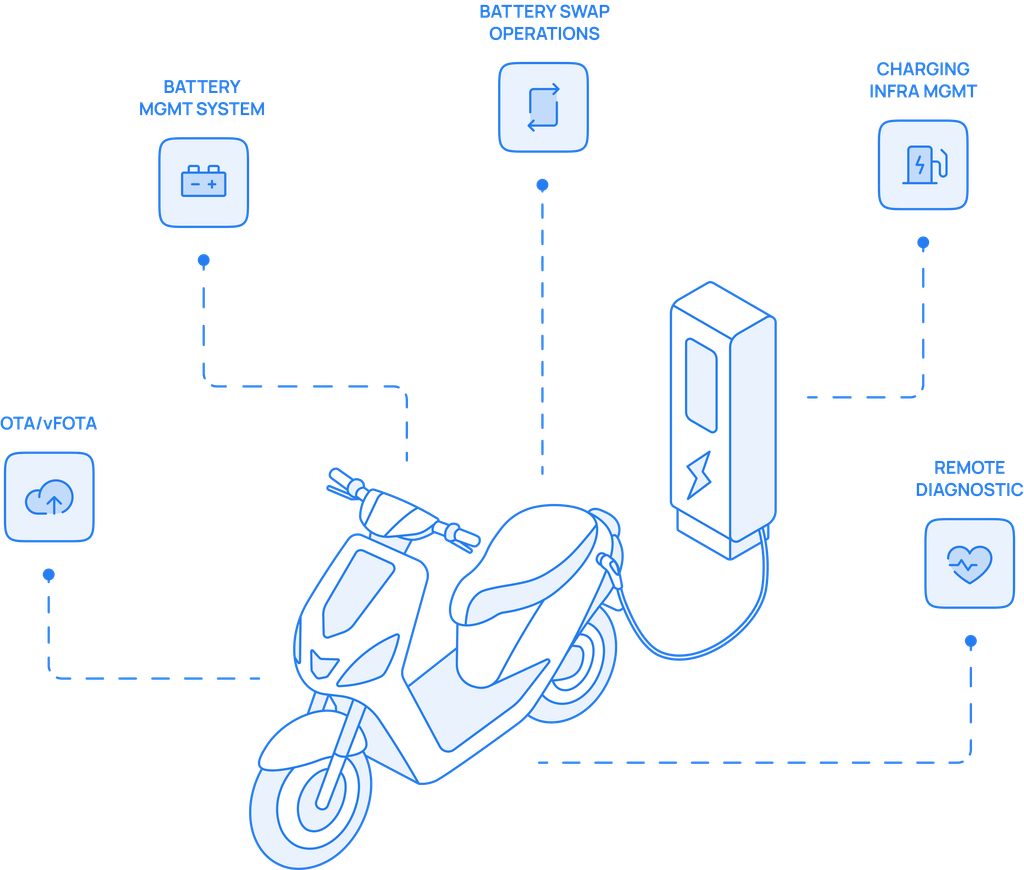
Why Real-Time Matters in the EV Ecosystem
The EV ecosystem continuously generates battery, vehicle, charger, manufacturing, diagnostic, and operational events. Processing these events in real time can support battery management, charging optimization, predictive service, operational decisions, and connected customer experiences. A battery fault is a simple example:Unified Platform for the EV Lifecycle
Condense supports the EV lifecycle through four integrated capabilities:Connect
Ingest real-time data from:- Electric vehicles
- Battery Management Systems
- OBD devices
- Battery swapping stations
- Manufacturing systems
- Charging stations
- Telematics platforms
- IoT devices
- Enterprise applications
- Mobile applications
- Third-party EV ecosystems
Process
Transform, enrich, and orchestrate streaming data for EV workloads. Processing can support:- BMS analytics
- Charging operations
- Vehicle diagnostics
- Service management
- Battery lifecycle workflows
- Manufacturing events
- Operational decisions
- Event routing
- Real-time business logic
Build
Build EV applications on top of the same streaming foundation. Examples include:- Battery intelligence applications
- BMS applications
- Charging station management
- Battery swapping operations
- Fleet management systems
- Predictive maintenance
- EV digital services
- Manufacturing intelligence
- Real-time analytics
Deploy & Scale
Deploy Condense within the customer’s cloud environment and scale EV workloads with built-in:- Observability
- Governance
- Automation
- Application operations
- Platform operations
- Enterprise reliability
EV Data Architecture
A typical EV environment brings together vehicle, battery, charging, manufacturing, and enterprise events:EV Ecosystem
An EV ecosystem spans the vehicle, battery, charging, manufacturing, software, and service layers.EV-Ready Connectivity
The EV ecosystem can connect:- Vehicles
- BMS
- OBD devices
- Battery swapping infrastructure
- Charging networks
- Manufacturing systems
- Telematics platforms
- Mobile applications
- Enterprise systems
- Third-party EV services
EV Manufacturing and Line Fitment
EV manufacturing generates events that can be used to monitor production and validate vehicle configuration. Condense can support real-time manufacturing workloads including:- Line fitment validation
- Battery pairing
- Component traceability
- Production monitoring
- Quality assurance
Battery Intelligence and BMS Analytics
Battery data is central to EV operations. BMS and related telemetry can provide information about:- State of Health (SOH)
- State of Charge (SOC)
- Temperature
- Voltage
- Charging cycles
- Battery degradation
- BMS diagnostics
- Thermal performance
Battery Health
Battery events can be transformed into operational signals for:- Battery health monitoring
- Degradation analysis
- Charging behavior analysis
- Fault detection
- Service recommendations
- Battery performance monitoring
Battery Lifecycle
Battery intelligence can extend across the lifecycle from manufacturing to retirement. Condense can support event-driven workflows for:- Battery manufacturing
- Battery pairing
- Battery deployment
- Battery monitoring
- Warranty tracking
- Battery swapping
- Inventory management
- Lifecycle traceability
- Retirement
Battery Lifecycle and Swap Operations
Battery swapping introduces an additional operational layer in which batteries move between vehicles, stations, inventory, and service workflows. Condense can connect battery and station events to support:- Swap operations
- Battery inventory
- Battery traceability
- Battery health
- Warranty monitoring
- Station operations
Charging Infrastructure Management
Charging infrastructure generates continuous operational events. Condense can provide a real-time foundation for monitoring:- Charger availability
- Charging sessions
- Charger utilization
- Energy consumption
- Charger health
- Remote diagnostics
- Charging station performance
Connected EV Ecosystem
EV services often combine data from vehicles, charging networks, mobile applications, telematics platforms, enterprise systems, and third-party services. Condense can bring these sources into one event-driven environment.Predictive Service and Driver Experience
Real-time EV data can support service and driver-facing workflows. Examples include:- Intelligent service recommendations
- Proactive fault detection
- Nearby charging station discovery
- Maintenance optimization
- Vehicle diagnostics
- Driver experience services
EV Application Development
EV applications often combine streaming data with domain-specific business logic. Condense provides an integrated development environment for building custom processing and application workloads on top of the streaming foundation. Applications can include:- Battery intelligence
- BMS analytics
- Charging management
- Battery swapping
- Predictive maintenance
- Fleet management
- Manufacturing intelligence
- EV digital services
- Analytics applications
Development and Runtime
EV applications need to move beyond development into a production runtime. Condense integrates application development with deployment and runtime capabilities:EV Integrations
Building an EV platform without a common event foundation can require custom development for each system. Typical integration requirements include:- BMS
- Chargers
- OBD devices
- Battery swapping systems
- Manufacturing lines
- Telematics
- Enterprise applications
- Payment systems
- Energy systems
- Third-party EV platforms
Without Condense
An EV organization building its platform independently may need to create and maintain:- BMS integrations
- Charger integrations
- OBD integrations
- Battery swapping integrations
- Manufacturing integrations
- Telematics integrations
- Enterprise integrations
- Battery analytics
- SOH and SOC calculations
- Degradation models
- Battery lifecycle tracking
- Charging analytics
- Application infrastructure
- Deployment infrastructure
- Operational tooling
The Condense Approach
Condense provides a unified EV event platform:EV Lifecycle
Condense can support the EV lifecycle from manufacturing through operation and service:Deployment
Condense can be deployed through cloud marketplaces or on-premises infrastructure. The source describes a complete production-ready Condense platform as deployable in approximately 1–2 hours through these deployment methods.BYOC
Condense follows a Bring Your Own Cloud model, allowing organizations to run the platform in their own cloud environment. Supported environments identified on the EV industry page include:- AWS
- Microsoft Azure
- Google Cloud
- Data
- Security
- Governance
- Compliance
- Cloud infrastructure
Scale and Operations
EV workloads can change as vehicle populations grow, charging infrastructure expands, and new applications are introduced. Condense provides built-in capabilities for:- Scaling
- Observability
- Governance
- Automation
- Platform operations
- Application operations
- Runtime management
EV Ecosystem Accelerators
The EV industry page identifies ready-to-use capabilities for:- BMS
- Charging infrastructure
- Battery EOL
- Battery swapping operations
- Predictive maintenance
- EV digital services
- Analytics
Why Condense for the EV Ecosystem
Unified EV Platform
Replace fragmented technologies with a common platform for building, operating, and scaling real-time EV applications and services.EV-Ready Ecosystem
Use pre-built connectors, protocols, integrations, and industry-specific capabilities across batteries, chargers, manufacturing systems, vehicles, applications, and infrastructure.Battery Intelligence
Use reusable building blocks for SOH, SOC, battery lifecycle, charging behavior, and BMS analytics.Connected Charging
Manage charging stations, charging sessions, utilization, charger health, energy analytics, and charging infrastructure through a common event platform.Faster EV Innovation
Build battery platforms, charging applications, EV services, manufacturing intelligence, and customer experiences using production-ready capabilities.Data Control
Run Condense within the customer’s cloud environment through BYOC while maintaining control over data, governance, security, and compliance.Enterprise Reliability
Support mission-critical EV operations with enterprise-grade security, observability, governance, and a 99.95% uptime SLA.Production Reference
The EV industry page identifies a commercial vehicle OEM deployment that migrated from IBM Event Streams to Condense. The deployment handles:- 1 GBps peak throughput
- 350 MBps continuous throughput
- 6 data sources
- Two-way synchronization
- 99.95% uptime